This year’s projections from the National Association of Home Builders (NAHB) show healthy increases in single-family home building and new home sales (1% for both), as well as consumer demands for natural looks, earthy colors and greater energy efficiency. [i]
While much of this outlook is positive for the polymeric exterior industry, the question remains:
How will PEPA members address market challenges of material costs, labor shortages and rising consumer expectations in 2026?
Vinyl Siding Members Perspective
You want an earthy and natural look? (We got ‘em, and with a lot of innovation to help)
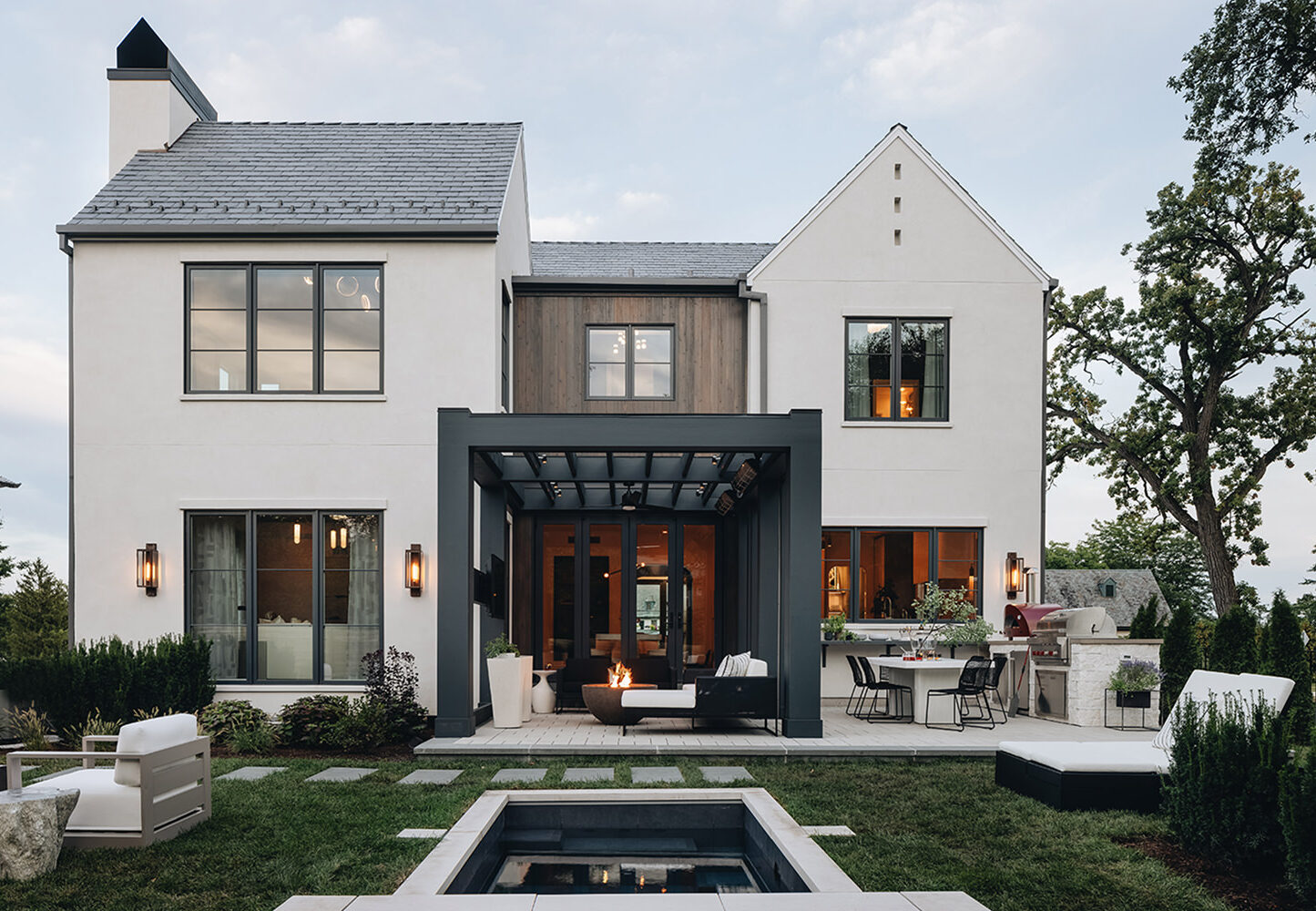
When you “shop” the products from PEPA’s vinyl siding members, you will find descriptions such as “natural wood grain texture,” “the look of milled cedar shakes” and “meticulously crafted siding” with photos to demonstrate curb appeal.
There is also an emphasis on architectural design styles like Carolina beading, Board & Batten and other classic and historic looks along with exciting versatility options. PEPA’s vinyl siding members are passionate about the overall exterior look, so they offer a wide array of colors, along with accessories like shutters, mount blocks and vents and trim, to enhance the desired style of the home project.
According to PEPA Board of Directors member Steve Booz, Vice President, Marketing & Product Management for Westlake Royal Building Products, all this bodes well for the polymeric exterior industry as they take on a demanding 2026 marketplace.
“Whether you’re looking at siding or roofing, the pressures in 2026 are similar – labor shortages, tighter timelines, rising material costs and higher homeowner expectations. Across both categories, performance is no longer a nice-to-have,” Steve said.
Today’s homeowners, he added, want durable, low-maintenance products that deliver on aesthetics, while pros need materials they can trust to perform long after installation. “The strongest siding and roofing innovations today balance both sides, making jobs easier for pros while giving homeowners confidence in how their homes will look and hold up over time,” he said.
PEPA Polymeric Roof Members Perspective
Higher Performance, Less Labor Needed
PEPA’s polymeric roof members face the stiffest competition from premium product lines like concrete and clay. All three PEPA members – BRAVA, DaVinci and EcoStar – do an admirable job of comparing their synthetic tiles emphasizing superior durability, lighter weight and easier installation.
They also assert that their advanced technologies help reduce installation time, physical labor requirements and the need for highly skilled labor. This is a notable selling point, given that the biggest issue affecting the roofing industry is the shortage of labor.
Akin to their vinyl siding counterparts, the polymeric roof members boast a natural look with emulated styles of shake, slate and cedar (among others) and are made with recycled materials.
But the big focus for PEPA’s roof members in 2026 is to support customers through this year’s challenges better.
According to Katie McCarthy, Marketing Manager for EcoStar, LLC, “We are responding to 2026 market demands by streamlining operations to keep lead times low, simplifying its go-to-market strategy to better support contractors and distributors, and strengthening supply chain reliability.”
Katie added: “We continue to focus on long-term product performance, offering durable, sustainable roofing solutions designed to deliver decades of value. Together, these efforts help customers meet today’s demands for efficiency, reliability and lasting quality.”
As PEPA member Mark Pagel, General Manager of DaVinci Roofscapes, pointed out, the polymeric roof tile industry is well positioned to meet 2026 pressures thanks to significant growth over the past couple of years.[ii]
“Despite the overall slowing of the roofing market, DaVinci has had significant growth,” Mark noted. “DaVinci expanded production capacity in 2025 and is in the process of another capacity expansion in 2026. DaVinci [also] continues to seek out new avenues to introduce the brand and the segment to an expanding market.”
Shared Challenges: Changing Demographics and Constant Demand for ‘The Real Thing’
An estimated 53% of new home buyers are Millennials and Gen Z.[iii] While the good news for the polymeric exteriors industry is that these two groups are more likely to purchase sustainable products, the question remains as to how informed these younger buyers are about the sustainability of polymeric siding and roof tiles.
The NAHB reports that the rise in demand for natural materials is influenced by consumer desires for natural warmth, biophilic designs (connecting with nature and outdoor living) and sustainability.
While PEPA makes a strong case for sustainable products made from natural elements that emulate wood, stone and other earthy materials, there is increasing competition with engineered wood and other synthetic products from the lumber industry.
There is also the daunting challenge that nearly 60% of home builders favor design choices shaped by this strong connection to nature and outdoor living.[iv]
Can polymeric exteriors make the case that they are a preferred option for this design trend?
The Sweet Spots for Polymeric Exteriors in 2026
A significant advantage of polymeric exteriors is their category leadership in energy efficiency. And with modern energy codes calling for continuous insulation across many climates to eliminate thermal bridging, the vinyl siding industry is the early adopter, with insulated vinyl siding and other product developments ideal for continuous insulation treatments.
Another unique advantage: polymeric exteriors often make “the spec” for home projects calling for design and material versatility. A prime example is HGTV’s Fixer to Fabulous starring Dave & Jenny Marrs, which often features vinyl siding as a durable, stylish solution.
One episode recently promoted on LinkedIn by PEPA member PlyGem (Cornerstone Brands) shows a 1970s flat-front home being converted into an elegant cottage with stone and wood paired with PlyGem’s “Mastic vinyl siding” in white with J-channel, F-channel and outside corners from the same product collection.
The hosts describe the finished project as having a clean, timeless look with the polymeric exterior products adding contrast and texture, and every element being built for long-term performance.
Being part of the design solution for new home building and renovation projects creates an opportunity for the polymeric exterior industry to educate contractors and consumers alike on the greater advantages that can be achieved in cost efficiency, sustainability and curb appeal.
And for those who clamor for natural looks and outdoor living spaces that typically require a larger building investment, vinyl siding can be a cost-saving solution and polymeric roofing can be a cost-efficient solution – with the natural aesthetics to meet the desired results from top to bottom.
- “10 Predictions for the Homebuilding and Rental Housing Business,” Forbes, January 7, 2026; and “The 2026 New-Home Market: A Rare Opportunity for Buyers?” NAR Realtor News, January 16, 2026.
- Recycled Plastic Roofing Tiles Market Report 2025, Research and Markets
- Census Bureau, 2021 Community Survey
- NAHB Blog: What’s Driving Outdoor Living Trends?