Beauty Engineered to Stand Strong
Polymeric roofing sets a new standard in performance, strength, and longevity. These advanced materials undergo extensive testing to ensure unmatched reliability, raising the bar for high-performance roofing. Trusted by contractors and architects alike, it's a proven investment that stands up to the toughest conditions, year after year.
The Gold Standard in Roofing
Polymerics Put to the Test
Proven performance means consistently exceeding the industry's toughest benchmarks. Polymeric roofing products undergo stringent third-party certifications, so you can confidently rely on these innovative solutions to perform for decades.
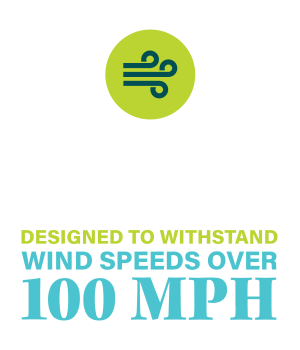
Wind Pressure
Engineered for high winds and harsh weather, this roofing prepares homeowners for storm season, worry-free.
How are polymeric roofs tested?
TAS 100 testing simulates extreme conditions with 8.8 inches of rain per hour and winds up to 110 mph, verifying that the roof assembly prevents leaks and protects the structure beneath.
Impact Tested
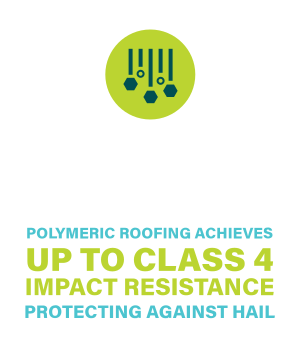
Designed for real life, polymeric roofing offers ASTM Class 4 impact resistance, minimizing dents, damage, and repairs—perfect for storm-prone areas.
Meets Florida’s Class 4 Impact Rating Requirements
Class 4 Impact Resistance is often required by insurers and may qualify homeowners for wind mitigation discounts, offering both protection and savings.*
Fire Safety
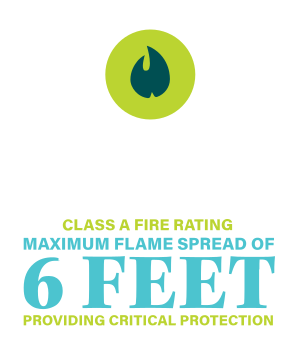
Achieving the highest fire safety rating—Class A—polymeric roofs are crucial for homes in the Wildland Urban Interface, providing critical protection and peace of mind for families.
Tested to Meet UL 790 Requirements
Polymeric roofing passes tests that measure resistance to flame spread, recurring fire threats, and ignition from embers.
A Stronger Roof for a Safer Home
Strengthening a home against natural disasters, a practice known as property hardening, can significantly reduce the risk of damage and loss. Using high-performance materials, like polymeric roofing, can enhance your home’s resilience and safety, and may help you qualify for lower insurance premiums, although requirements vary by provider.*
*Contact your homeowners insurance provider to confirm eligibility for potential discounts.
Designed With Efficiency in Mind
Strength doesn't have to be heavy or complicated. Polymeric roofing offers the same protection as traditional materials but is much lighter. This makes installation faster, more efficient, and often eliminates the need for extra structural work. That means lower labor and material costs compared to heavier roofing options, all without compromising on durability.