Catching up with Sara Krompholz, Senior Director, Technical and Certification for the Polymeric Exterior Products Association (PEPA), is always an enjoyable learning experience akin to a TED Talk or a masterclass in vinyl siding. She oversees a product certification program that’s an industry leader – 28 years strong in 2026 – that may very well be the only program of its kind for polymeric cladding.
We’ve covered a lot in our blog posts with Sara over the past five years: code updates, product innovations and how PEPA’s VSI Product Certification Program continues to lead the industry. But she’s quick to remind us that none of it matters if we can’t answer two simple questions:
1. What does certification mean?
2. And why should anyone care?
The program’s remarkable success is a reflection of our industry’s pride and passion for quality product performance. But it’s essential that we continuously remind and educate all stakeholders – manufacturers, distributors, contractors, installers and homeowners – on why our product certification program is a game changer.
Let’s break it down:
- For Manufacturers. The VSI Product Certification Program creates a level playing field, knowing that every participating manufacturer is held to the same standards.
- For Sales Reps & Distributors/Retailers. “It’s your most valuable marketing tool,” Sara said. “When a product is certified, it’s not just a claim—it’s a verified promise.”
- For Contractors and Installers. Consistency matters. Certified products mean fewer surprises on the job site. Homebuilders are also building their brand, so knowing the products you install meet rigorous product certification standards is priceless. “You can’t put a price on reputation,” Sara noted. “Our certified products are supported by PEPA’s Installer Training programs that guide proper installation for ultimate performance.”
- For Homeowners. It’s about trust. Marketing can say anything, but certification means a third-party authority has validated the product’s quality and safety. “I think of it like paint,” Sara said. “You want that Hampton red to stay red, not fade after a season. Today’s certified vinyl siding products contain UV inhibitors to ensure color consistency and longevity.”
- For Code and Building Officials. “It [the VSI Product Certification Program] speaks their language and makes their jobs easier,” Sara said. “PEPA’s rigorous work in shaping building codes and updating certification standards gives officials confidence in the products they approve.”
Reinforcing the Importance of PCLs and PERs
Sara also highlighted the importance of the program’s deliverables: PCLs (Product Certification Listings) and PERs (Product Evaluation Reports). These aren’t just compliance documents—they’re tools that connect builders with local officials. We’ve written many blogs on PCLs and PERs, but it bears repeating their purpose and the connectivity they create between builders and local officials.
- PCLs are mandatory listings that indicate a product meets specific standards, such as ASTM D3679 for vinyl siding. They’re continually verified by an ISO/IEC 17065 accredited third-party certification body.
- PERs are optional code deliverables, but they are powerful—they explain how a product meets both standards and building code requirements. Both are publicly available in certification directories.
The Power of the Mark
PEPA’s program includes a certification mark. Use of the mark is not mandatory, but PEPA strongly recommends its use—and so do the manufacturer members.
"Manufacturers go through all the work to acquire product certification and authorization to use the mark; it’s in their best interest to use the mark to promote certification,” Sara noted.
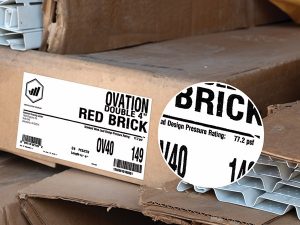
“Our program doesn’t mandate marking on their products [like other programs do], but this means your product does not get the certification requirement recognition. We recommend it, and our member manufacturers use it because they see the promotional value and usefulness in compliance verification in prominently displaying it on cartons and collateral. In addition, the code official or other AHJ [Authority Having Jurisdiction] needs to trace the mark so prominent placement is advantageous for our members and contractor customers.”
Bonus tip: Wind load ratings are required under ASTM standards. Placing that rating near the certification mark makes it easier to promote and easier to trust.
For more information on PEPA’s VSI Product Certification Program, as well as locating PCLs and PERs, check out these links from the PEPA website:
Certified Exterior Cladding Products | PEPA
Certification Program - Polymeric Exteriors
Frequently Asked Questions | Polymeric Exteriors