An item or an approach is considered holistic when it’s characterized by the belief that the parts of something are interconnected and can be explained only by reference to the whole. In medicine, for example, a holistic care approach encompasses treatment of the whole person, accounting for mental and social factors, and not just the symptoms of an illness.
In homebuilding and remodeling, an innovative, holistic approach calls for polymeric exteriors like vinyl siding and polymeric roofing tiles because they tick all the boxes – performance, aesthetics, sustainability and much more.
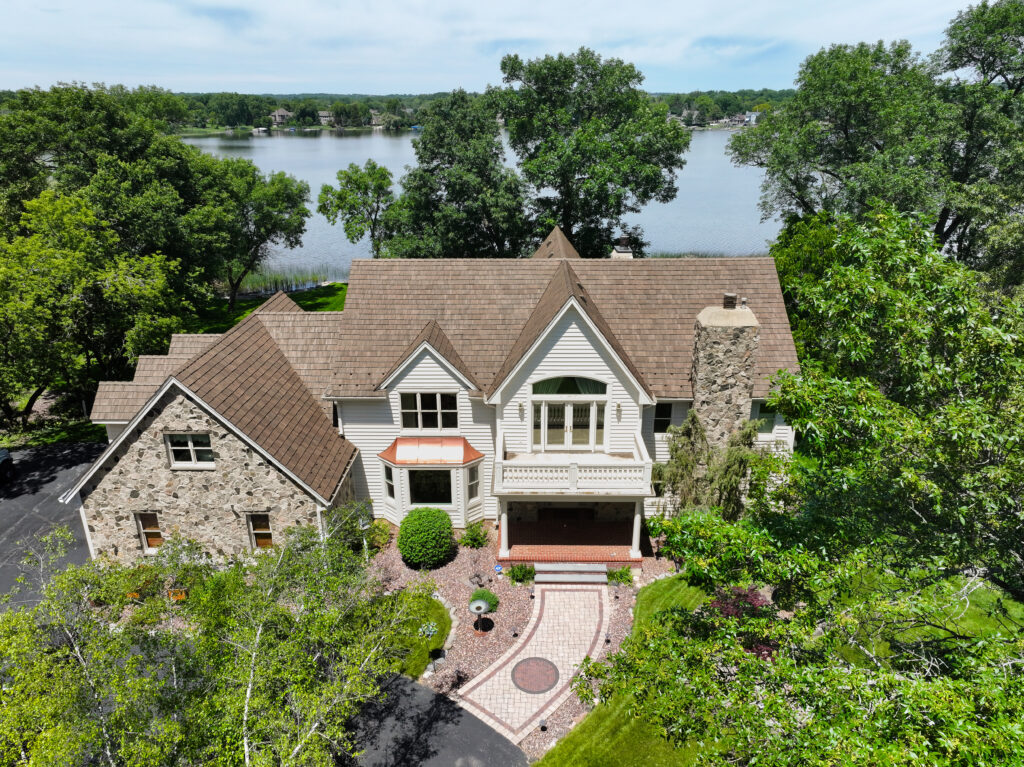
Examining these basic elements of what we look for in a home highlights how polymeric exteriors are a natural fit for a holistic solution.
Performance
Vinyl siding is an industry leader in energy efficiency, with an R-value of .61 (or 4.0 or greater for insulated vinyl siding) versus .08 for stone, .2 for brick, or .15 for fiber cement. And to help ensure quality performance, the Polymeric Exterior Products Association (PEPA) published Construction Details for Energy Code Compliance: Polymeric Cladding Over Continuous Insulation, a user-friendly guide to help installers meet the new, more stringent code requirements for wall insulation and maximize energy efficiency.
Vinyl siding is arguably the most durable of all claddings, outlasting the competition for years without any significant maintenance required, just the occasional washing with your garden hose. The same can be said for polymeric roof tiles, as they don’t require varnish or the usual replacement tiles like wood or other roof materials. Both vinyl siding and polymeric roofing have arguably achieved the most outstanding performance success in high-wind areas and high-velocity hurricane zones, as well as in terms of fire safety and termite resistance.
Vinyl siding is also the industry leader in cost effectiveness, which means the savings in product price and long-term maintenance equates to more disposable income for homeowners to invest in other home improvements, such as PVC patio decking or polymeric roof tiles. The lightweight design of polymeric roof products allows for easy installation without any costly tools or structural modifications.
Aesthetics
Polymeric roofing producers offer the best alternative composites to slate, cedar shake, Spanish barrel tile and more. These composites are made in various colors and pattern styles to emulate wood, slate or Spanish barrel effectively. Vinyl siding is also available in a wide range of colors and emulated styles, including brick, stucco and various woods. PEPA’s vinyl siding member manufacturers offer distinct types of accents, including elegant mantels, crown moldings and firm corner posts, for more beautiful homes. Polymeric cladding and roofing can complement other specified materials and are ideal solutions for both modern and traditional home designs – especially New Urbanism projects.
Sustainability (Speaking of New Urbanism)
In addition to improving energy efficiency in the homes they are designed to protect, the vinyl siding industry has been very proactive about continuously improving its carbon impact, recyclability and other environmental factors that include analysis by third-party consultants and certifying bodies. They even have the EPDs (Environmental Product Declarations) to prove it. But they don’t just settle for leading the competition on sustainable benefits – PEPA and key industry partners launched the Revinylize Recycling Collaborative in 2023 that aims to recycle 5 million pounds of post-consumer rigid vinyl by the end of 2025.
Polymeric roof tiles, like vinyl siding, are made from recycled and recyclable materials and share the same commitment to diverting end-of-life scrap away from landfills to create beautiful new products for tomorrow’s homes.
Another example of PEPA’s proactive efforts to improve sustainability has been their close work with New Urbanism advocates in promoting key projects and publishing helpful guides on how to improve the environmental-friendliness of traditional, more densely populated neighborhoods using polymeric exteriors. Vinyl siding has been specified and endorsed by leading New Urbanism architects and designers like Steven Mouzon, Korkut Onaran, Fernando Pagés Ruiz, Ronnie Peluso, Tom Lyon and Andrés Duany (the founder of the Congress for the New Urbanism).
Evergreen Equals Holistic
Polymeric exterior product manufacturers never stop innovating. They continuously improve proactively to developments in ASTM standards and building codes, many of which they are influencing as an industry through PEPA. The association views its VSI Product Certification Program, code development advocacy and VSI Certified Installer Program as “evergreen” processes committed to constant growth and relevance. After all, the “whole house approach” must include proper installation, code and standard compliance and high-quality products to meet desired performance, aesthetic and sustainability goals.
To learn more about holistic solutions through polymeric exteriors, contact Matt Dobson, Senior Vice President of PEPA, at mdobson@polymericexteriors.org.
_______________________________________________________________________________________________________
Don Browne is a writer, entrepreneur and local legislator who believes that the power of words can change the world. He provides unique writing services for clients in the construction, health care, IT and hospitality sectors. He has a passion for small business and start-ups, as well as writing about Irish history, family and corporate biographies. As a homeowner and father of four who is passionate about community development, Don looks forward to writing more about the exciting possibilities of creating traditional neighborhoods and more sustainable communities using modern materials.